AI-augmented learning — for education, and for a language you actually live in
AI can look it up for you.
It cannot know it for you.
That part we leave alone.
Looking things up is machine work. Remembering is not. So the card writes itself: meaning, gender, sound, the sentence you actually met it in. Then it stops helping, on purpose.
acute for Web · acute for Mac 3.9 MB · free
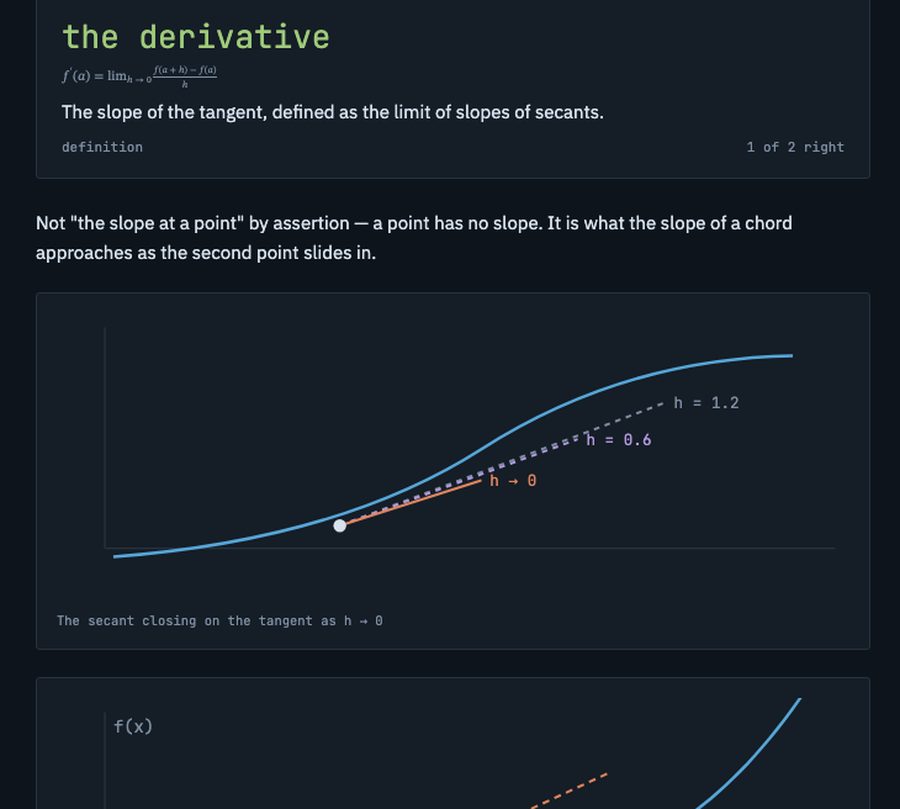
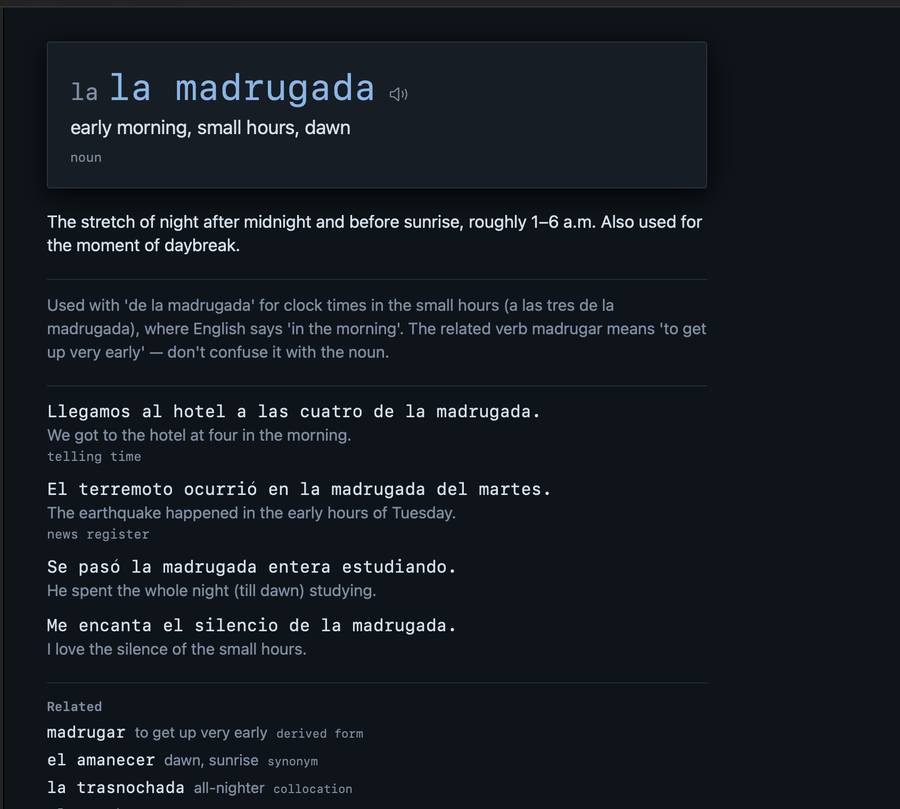
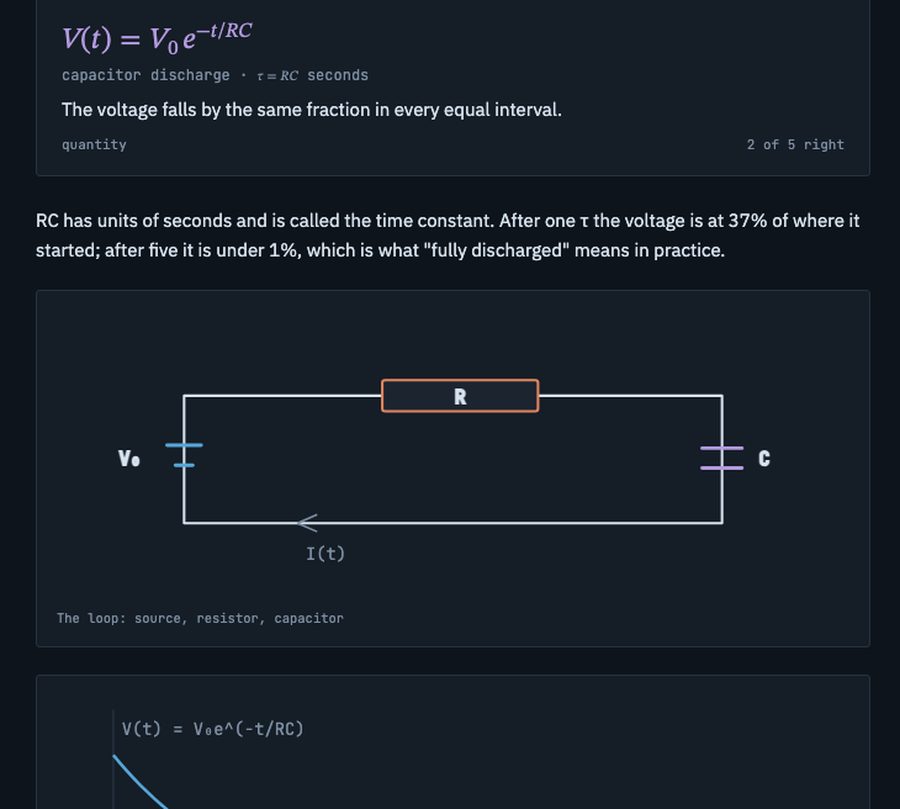
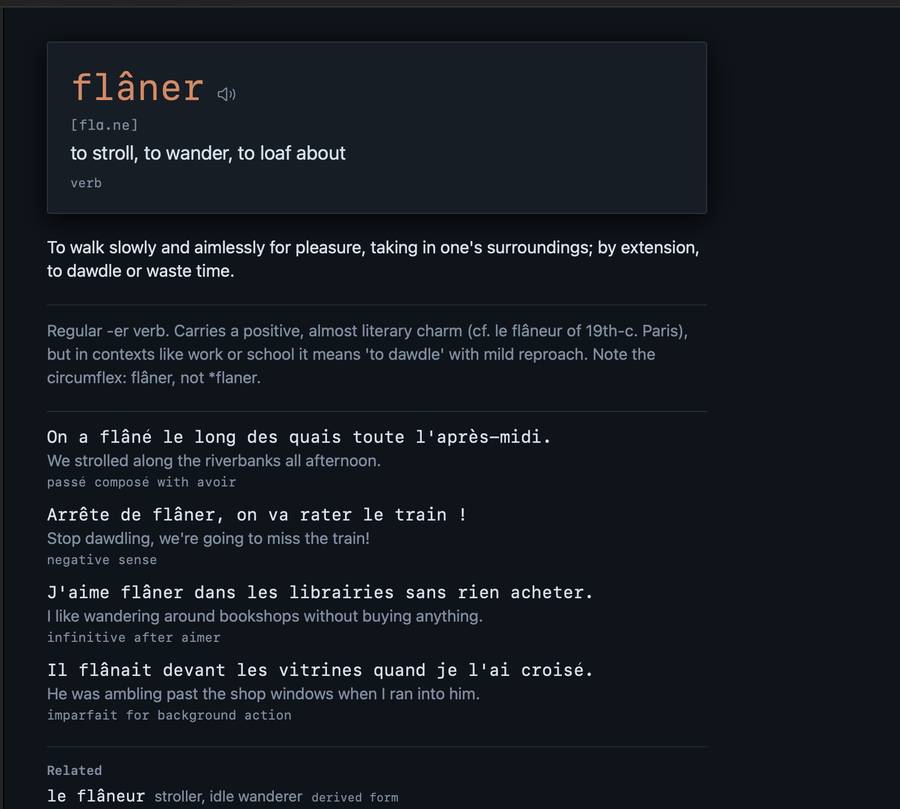
what acute is for
So that a student who wants to learn can use the best tools ever built and still end up knowing the thing themselves.
Studying contains two kinds of work, and only one of them teaches. So we point the model at one of them and keep it well away from the other.
the drudgery — ours to take
- Writing the card from the sentence you actually met.
- Finding an example somebody would really say.
- Naming every symbol, and giving it its units.
- Cutting the plate, when the page has earned one.
- Deciding what you review today.
the difficulty — yours to keep
- Pulling the word out of nothing.
- Being wrong.
- Being corrected, and minding.
- Saying yourself whether you knew it.
- Coming back tomorrow.
An ally does your chores, not your homework.
Which is also why acute writes revision material and never work you hand in. It drafts no essays and answers no assignments, so using it cannot put you on the wrong side of a rule. That is a boundary, not a gap.
Yes, this is AI.
That is the point.
What makes AI bad for learning is not that it is AI. It is that most of it answers the question you were about to think about. Ask it, and you have outsourced the one moment that was doing the teaching.
Used before that moment, it is the best research assistant you will ever have. Every card here is written for the sentence you met the word in. No dictionary knows that sentence. None will warn you that the noun you just looked up is not the word you need to say ‘it is raining’.
where it is used
Reading a page, writing the card, answering a margin. All of it before you study.
where it is not
In the drill. Nothing is generated while you study, nothing hints, nothing marks you right.
where it is wrong
A model drafts; it does not rule. Rewrite a card you disagree with, or throw it away.
Languages first
A language is the hardest case: thousands of facts, each useless until you can produce it without looking. What works for that works wherever the answer is a formula, a mechanism or a name.
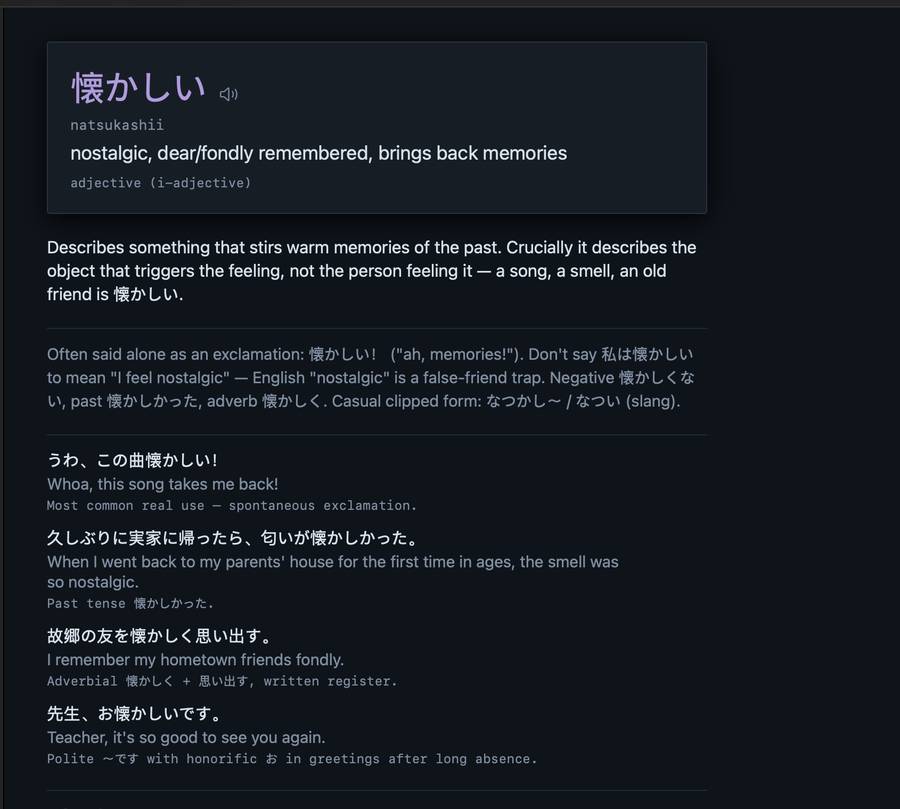
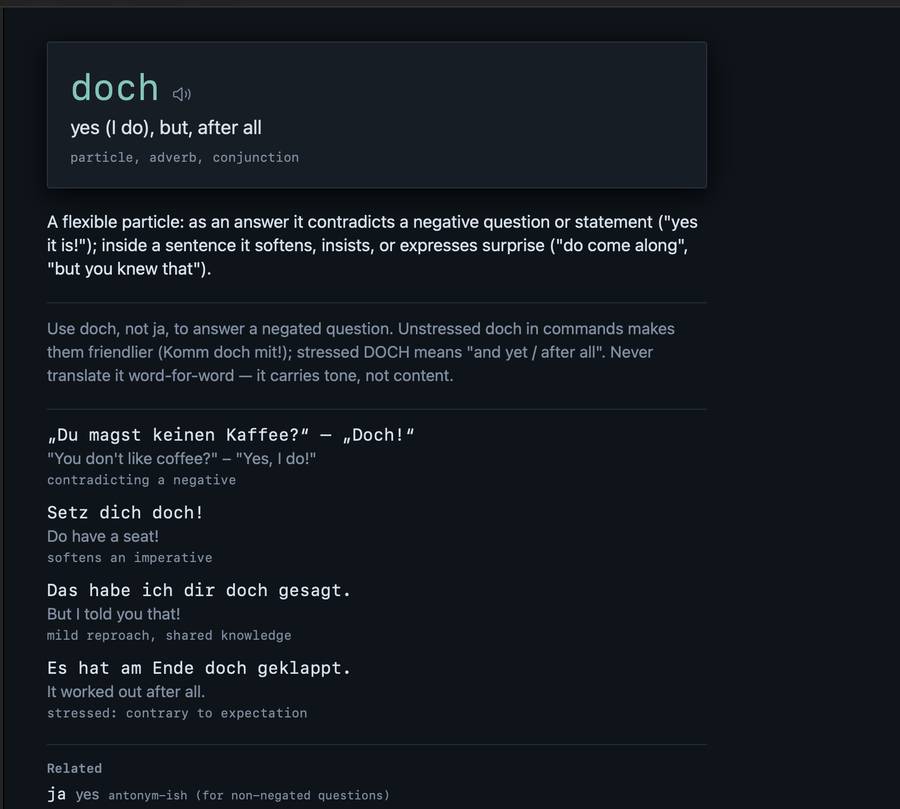
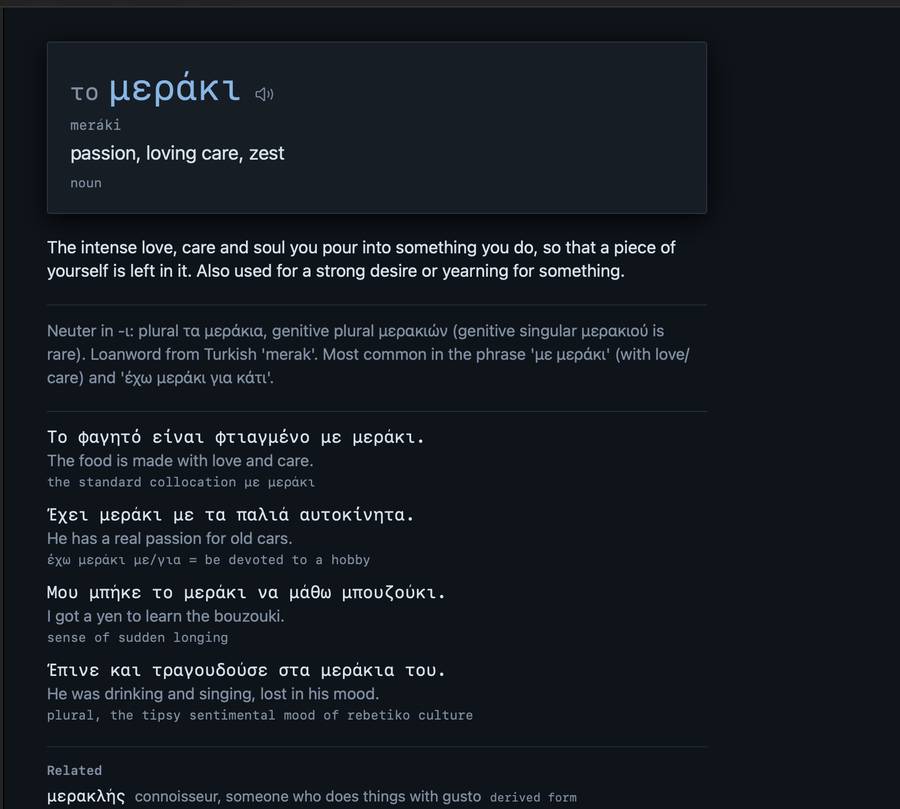
Words, phrases, genders, and the sentence you met them in. The one subject that exists today, and the whole of what you get. Twenty-nine languages, each written to its own variety — a Castilian deck is not written in Latin American Spanish.
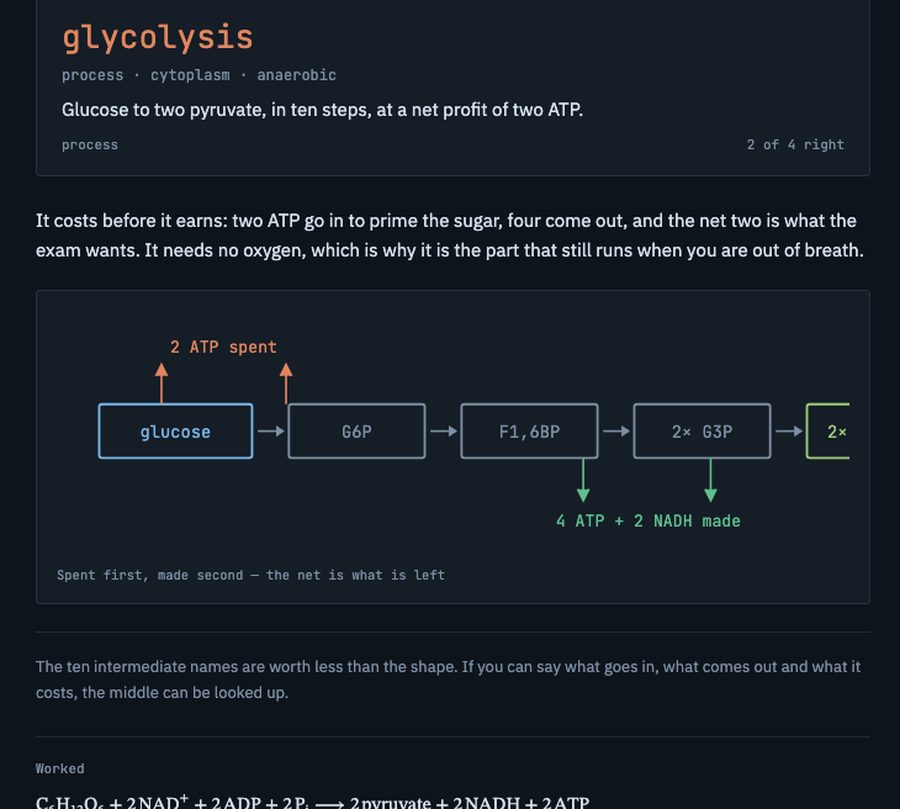
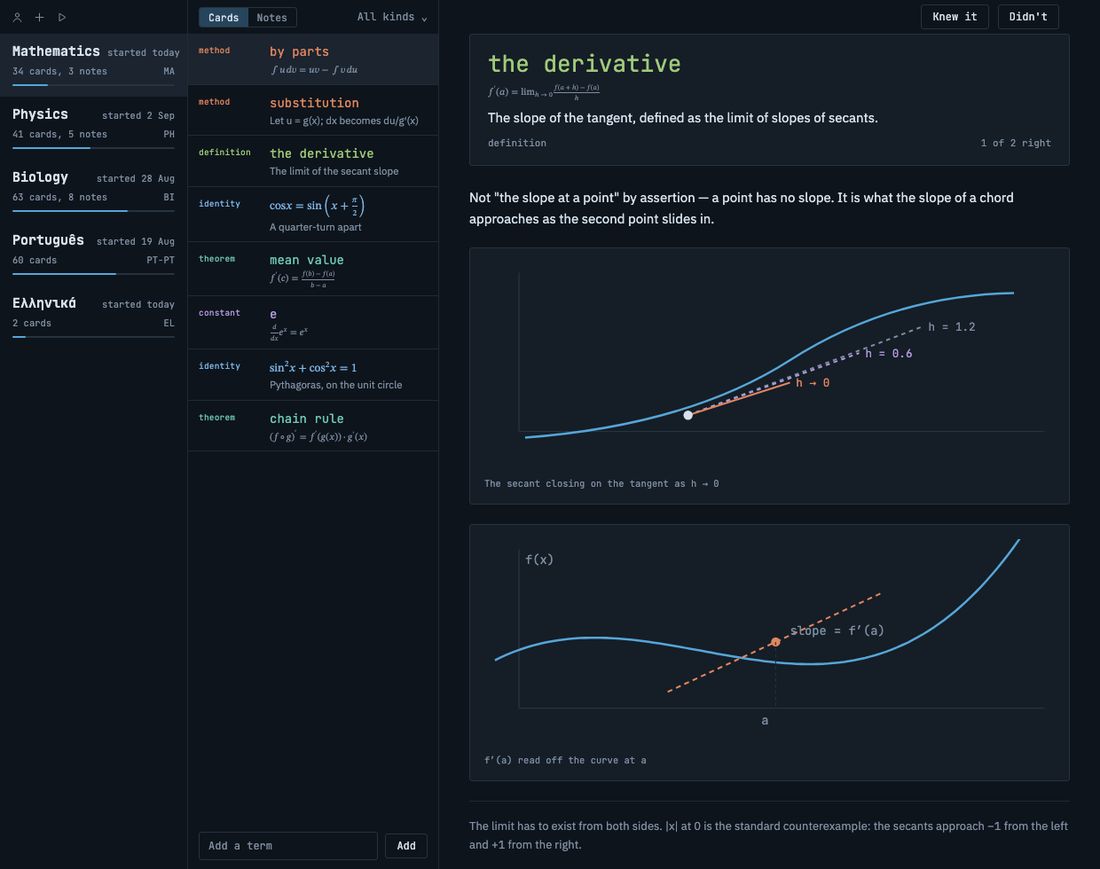
here nowIdentities and methods — the step you always forget, worked through.
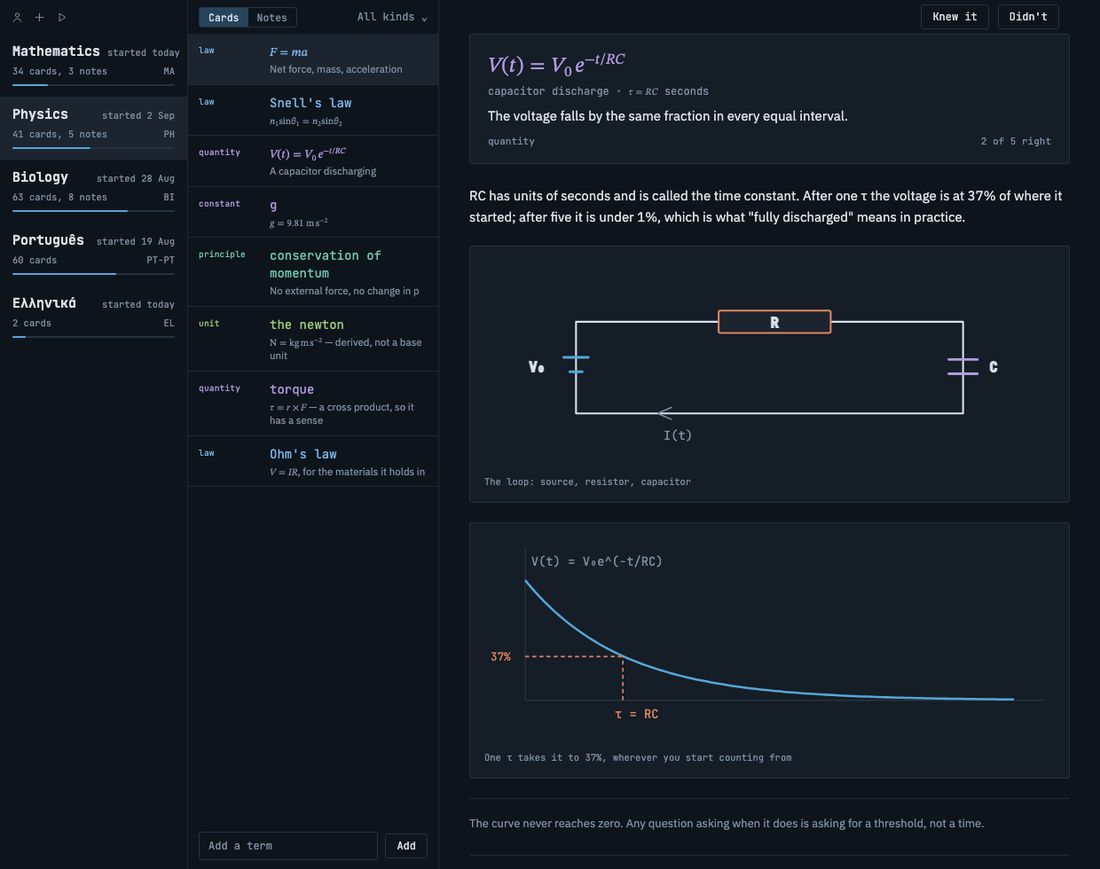
nextLaws with their units, and what each one refuses to apply to.
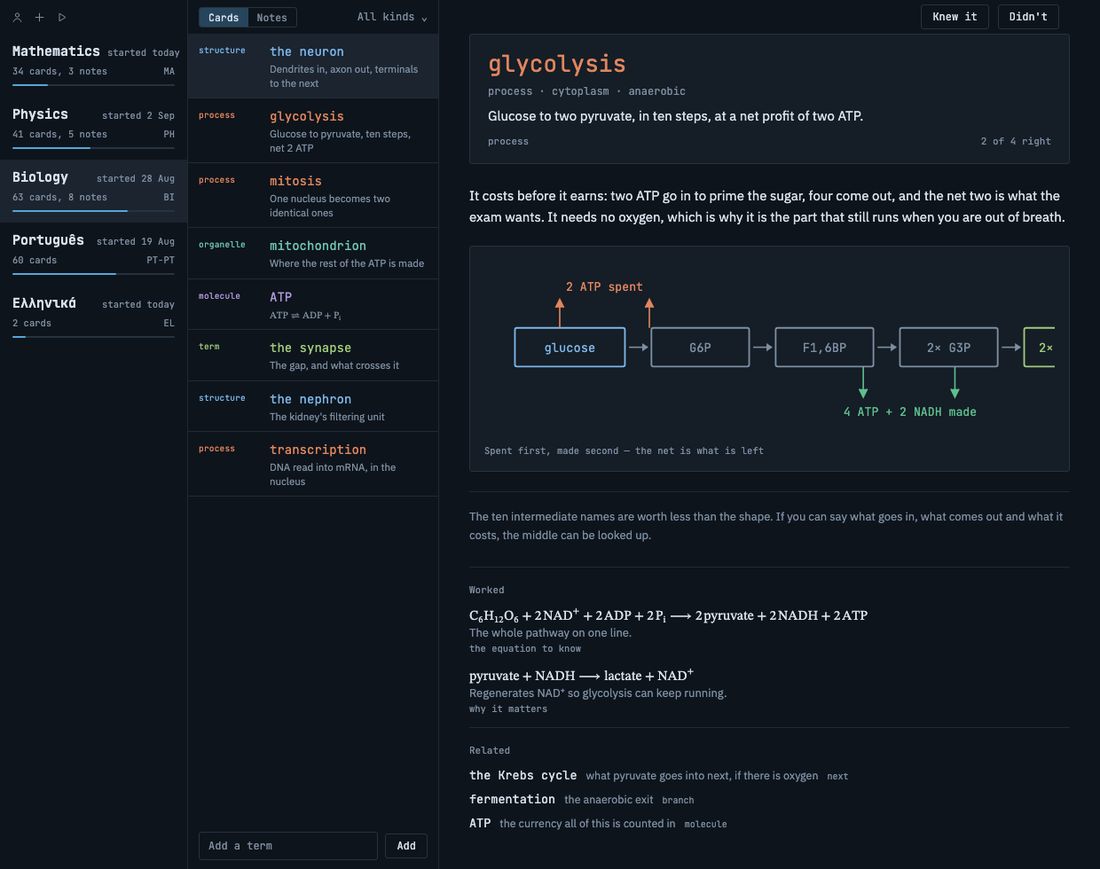
nextStructures, pathways and names, in the order they happen.
next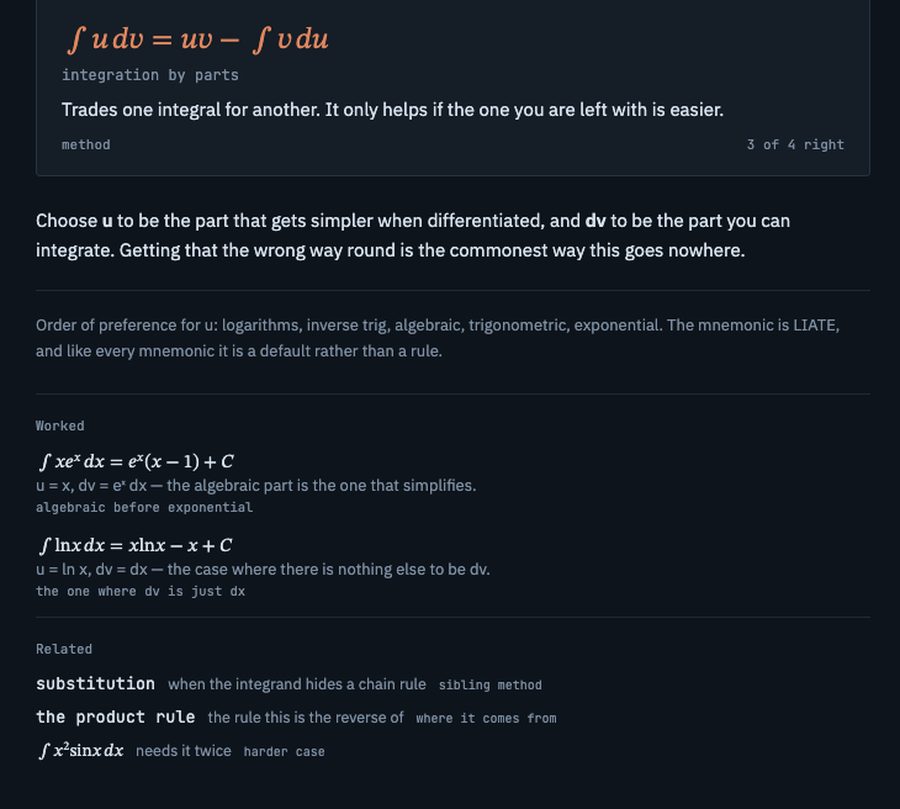
Maths the method, the two cases worth working, and why the order matters
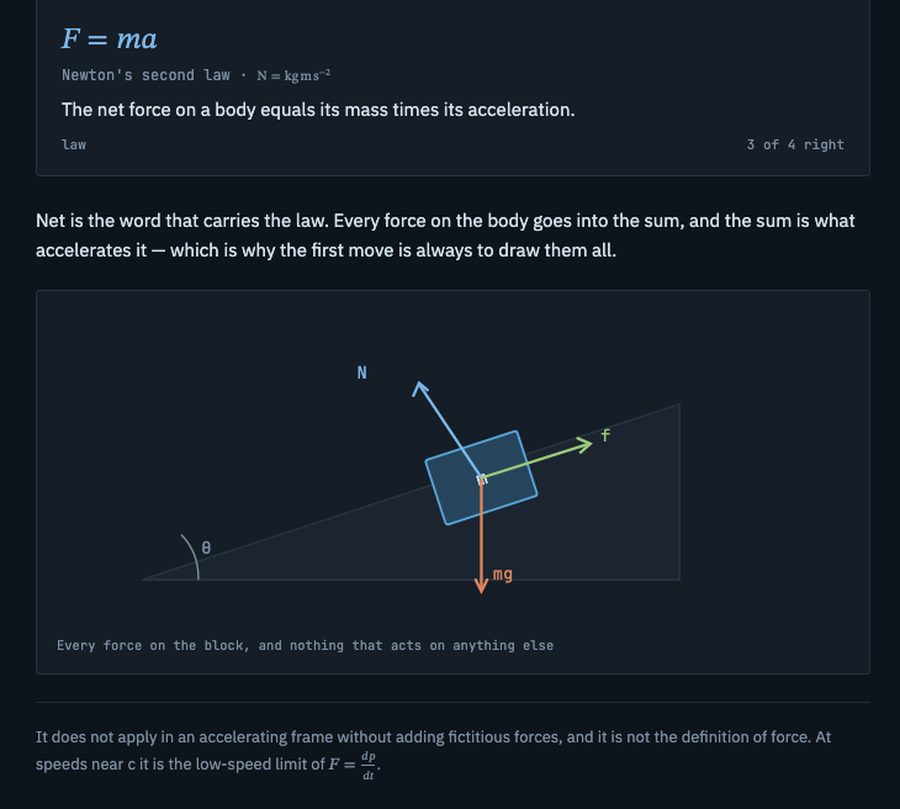
Physics the law, its units, and the diagram it is read off
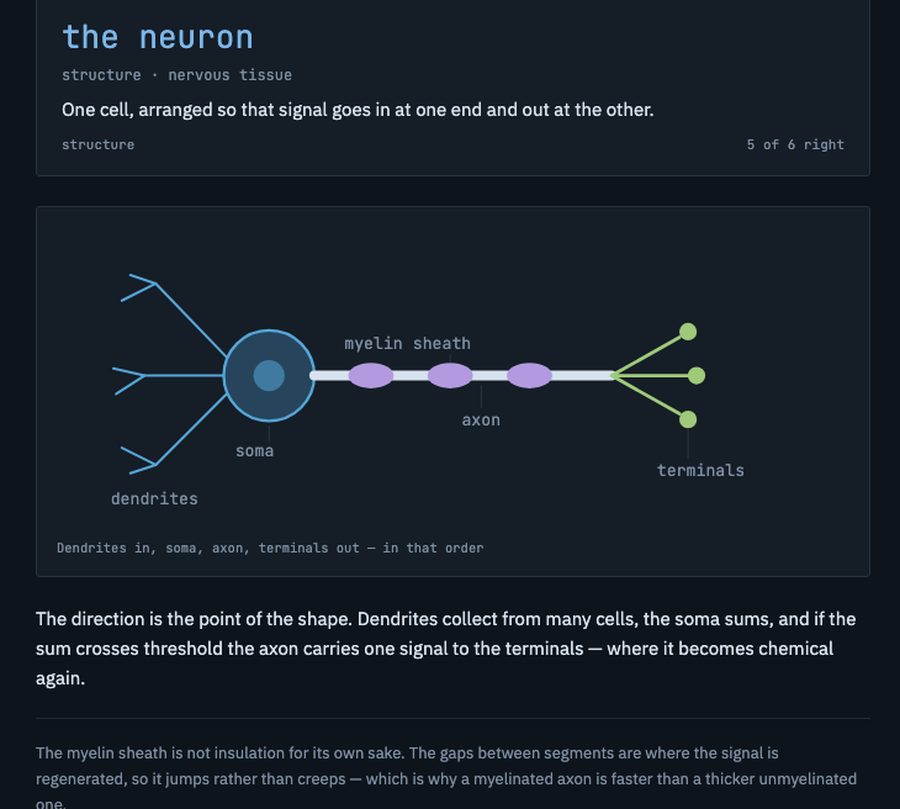
Biology the structure, labelled, and what the shape is for
Those three are design studies, not screenshots — nothing above is promised for a date. Languages is what exists today, and it is the whole of what you get.
Built for education
The set text, the terminology course, the year abroad. Learning that has a syllabus behind it and a date in front of it.
Students
Your set text is your deck. Paste the chapter you were assigned and you get the words that matter, in the sense that chapter used them. Not a general list built for someone else's course. Every example is a sentence you were actually asked to read.
Teachers and lecturers
Building a vocabulary list by hand is an evening's work per text. Paste the material you are teaching and read the cards back — keep the ones you want, rewrite the rest. The judgement stays yours; the typing does not.
Departments and language schools
Medicine, law, classics, engineering. Courses where the register is the point, and a general dictionary is the wrong tool.
Every account is personal today: you build your own shelf, and a teacher builds theirs. Handing a deck to a class, and the administration around it, is not built yet. Do not plan a course around it.
How it works
Three steps, and you only do the first and the last. Unless you have no word yet.
one · you
Type the word
One you heard, read or half caught. Or paste a whole page and pick from what it finds.
two · acute
The card writes itself
Meaning, gender, pronunciation, usage and examples, appearing field by field as it works.
three · you
Drill it, on the keyboard
The word alone. Space to turn it over, 1 or 2 to answer. Weakest cards first.
When you don’t know
the word yet
Those three steps all begin with a word you already have. Half the time you don’t — you have a situation, and no idea what is said in it.
So ask for the situation instead. You get a handful of phrases, the thing behind them, and the mistake your own language talks you into. Then you decide, line by line, what is worth keeping.
what you asked
asking for the bill
what came back
In Portugal the bill never comes automatically — you have to ask for it, often with a hand gesture of writing in the air. The word is conta, not “bill” or “check” translated literally.
What English talks you into. Saying “check, please”, or waiting for the bill to arrive on its own. It will not.
Every line starts binned. Nothing is kept until you say so, one line at a time.
Keep a line, or make it a card. The rest is thrown away and does not come back.
Asking costs nothing. You are charged for what you keep, never for looking.
One window, and the same one in a browser
Your decks down the left, the words in the deck you are in, and the card you are reading. Nothing is reached by going back — and the same three panes hold a phrase, a note or a whole byte as easily as a word.
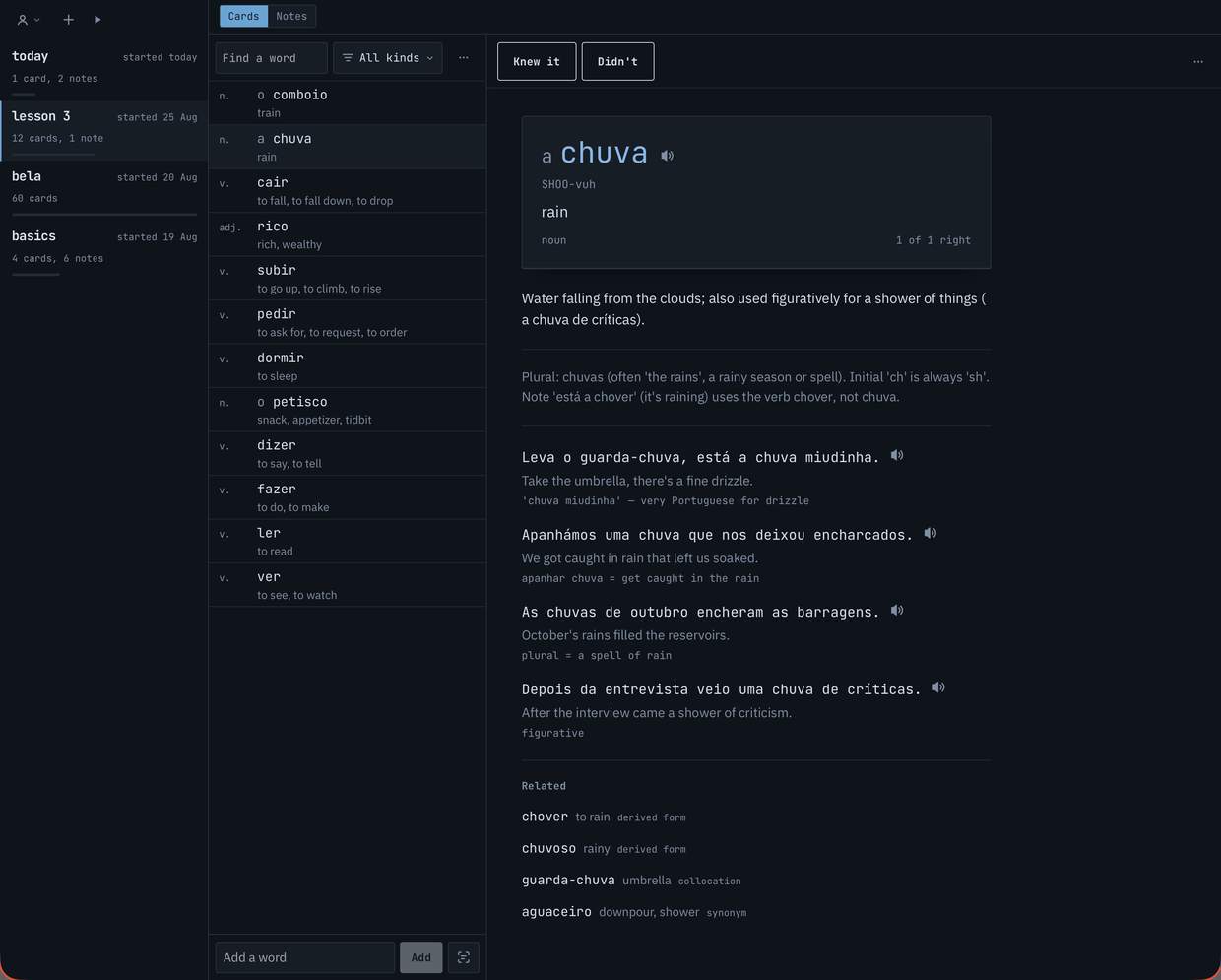
“Crucially it describes the object that stirs the feeling, not the person feeling it. Don’t say 私は懐かしい to mean ‘I feel nostalgic’ — English ‘nostalgic’ is a false-friend trap.”
from the usage note on 懐かしい — written, unprompted, when the word was added
From a page
you are reading
Paste a chapter, an article, subtitles, a menu. acute picks out what is worth a card and writes each one for the sense your text actually used.
what you pasted
O comboio para o Porto parte as oito da manha da estacao de Santa Apolonia. Comprei o bilhete ontem a tarde.
what it found
The accents come back. You typed estacao; the card says estação.
The dictionary form. You saw parte; you get partir, with what you met noted.
Nothing you have. Words already in the deck are skipped.
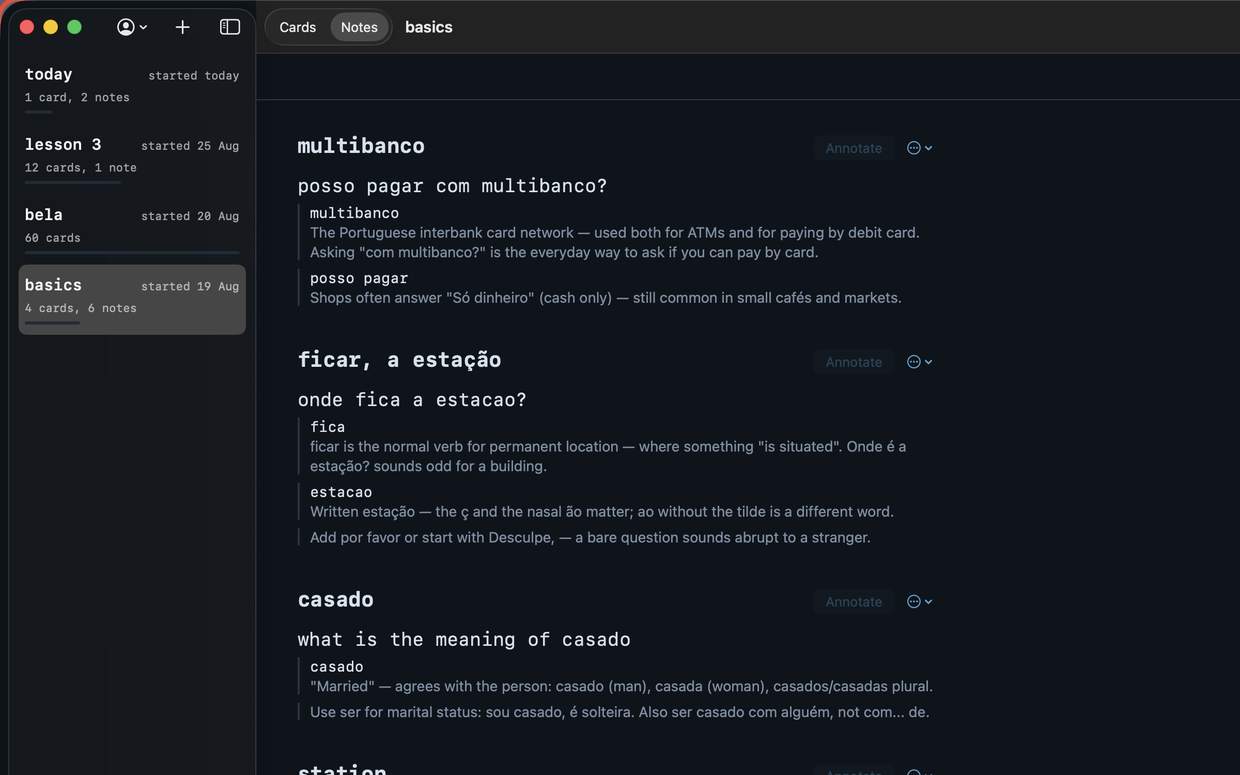
You write.
The margin answers.
A card is one word in, one card out. A note is the other way round. You write down what you half caught; the margin answers when you ask for it, line by line, never uninvited.
⌘↩ asks for the margin · any line can become a card
Then it stops helping
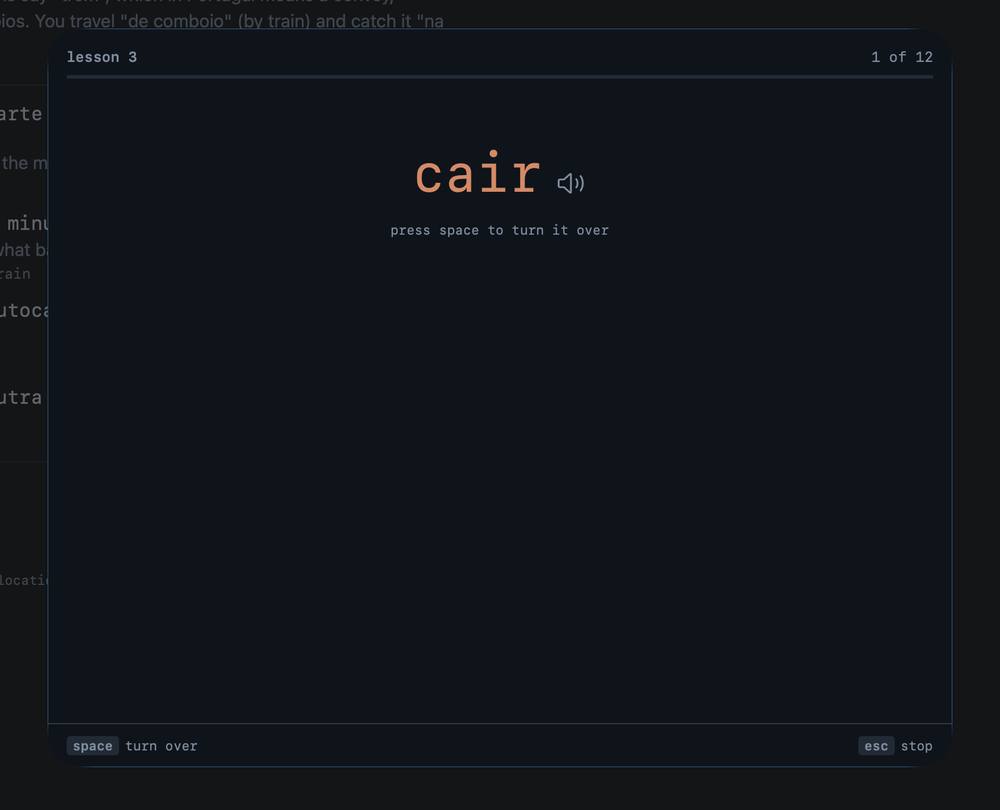
The word, alone. No hint, no multiple choice, no first letter. You either have it or you do not, and you are the one who says which.
This is the part that teaches. Pulling a word out of nothing is what fixes it; recognising it on a list is not the same act and does not last. Every hint an app offers is a rep you did not do.
The queue is weakest first: never seen, then whatever you keep getting wrong. No streak to protect, no algorithm to tune.
What it will not do
Most of the work in a learning app goes into keeping you in it. None of that is here, and its absence is the feature.
No streak. Miss a week and nothing is taken from you.
No leaderboard. You are not learning against strangers.
No points or badges. The reward for learning a word is knowing it.
No feed. Nothing to scroll, nobody to follow.
One reminder, if you want it. At an hour you pick, off by default.
No grading. It never tells you that you knew a word. Only you know that.
And outside the classroom
The same tool, for people whose deadline is life rather than a syllabus.
Living somewhere new
You half caught it at the market. Write the line down; ask the margin that evening.
Working in a second language
Clinical, legal and technical terms as your field uses them.
Translators and interpreters
A personal glossary that keeps the sense, with the sentence it came from attached.
Heritage speakers
You understand every word and can produce none. Study drills production.
Where it runs
One shelf, one account. Whichever you open, the decks and the notes are the ones you left behind on the other.
Nothing to install, and the one you will have on you at the market.
here nowBuilt for the keyboard: ⌘R to study, ⌘1–9 for decks, and a word added from any app. Download.
here nowUntil acute for iPhone lands, acute for Web is built for a phone and works away from a desk.
acute for Mac
The same shelf, in a window of its own — and a word added from whatever you are reading, without leaving it.
3.9 MB Version 0.11 Apple silicon and Intel macOS 15 or later Signed and notarised
And in the terminal
The same decks, from a shell — for the people who would rather not reach for the mouse to look a word up.
acute on its own is the app, in the shape the Mac has it: the
shelf on the left, the deck’s words in the middle, the card on the
right, drawn in characters. It is a real application rather than a script
that prints a word — you move through it with the keys, and it holds
the manual, the same fifteen pages this site serves.
$ brew tap lukaszwos/acute
$ brew install --cask acute
$ acute signin
$ acute
85 KB Version 0.1 No dependencies Needs Node 20 or later, which Homebrew brings macOS, by Homebrew
One word, without opening anything:
acute add “a gorjeta”. Or a whole page of what you were
reading: pbpaste | acute add -. Every verb answers
--json, and the exit codes are the ones a script expects.
What it costs
A card is written once. You keep it for good.
So you are charged for the writing, and never for the having.
Studying, re-reading, hearing a word again, fixing a margin, moving a card between decks — none of it is counted, and none of it ever will be. A card you have made is yours after you cancel.
Free
No card. Renews every month, forever.
15 cards a month
A word a day for a fortnight.
- Every card written in full
- Said aloud, 20 clips a month
- Study on the web, the Mac and the terminal
- Yours to keep, always
No card needed
Study
or €80 a year — two months back
200 cards a month
Seven a day, every day of it.
- Everything in Free, audio uncapped
- Notes, with the margin written for you
- Conjugation tables and mnemonics
- Paste a chapter, pick the words
Monthly or yearly · cancel any time
Course
or €220 a year — two months back
700 cards a month
A chapter pasted most weeks.
- Everything in Study
- A reply from a person, same week
Monthly or yearly · cancel any time
If you run out
Nothing you have already made stops working. You simply cannot write new cards until the month turns — or until you add a hundred more for €5. The number left sits under the box you type into, so it is never a surprise.
Why cards and not credits
A credit is a unit a company invents so you cannot tell what you are paying. Forty-three cards left this month is a sentence you can act on, and it happens to be the honest one: a card is exactly what costs us anything to make.
It is why asking is free. Ask to be taught a topic and you are charged nothing for reading what comes back — only for the lines you decide to keep. Bin the lot and it cost you nothing, which is the whole reason it can afford to offer you eight things instead of one.
The fair questions
“Doesn’t this just do the work for me?”
It does the looking up. It does the typing. It will not do the knowing. Meaning, gender, pronunciation and a sentence are clerical work, and clerical work is what it takes. It never tells you whether you knew a word — you decide that, every time you turn a card over.
“Is this another spaced-repetition app?”
There is no interval algorithm to trust or tune. The queue is weakest first: never seen, then lowest streak, then whatever you keep getting wrong. You can read the rule in one sentence, which is more than most schedulers can say.
“What if a card is wrong?”
Rewrite it, or throw it away. The model drafts; the deck is yours. A card written from a sentence you actually met is usually closer than a dictionary entry, but it is a draft either way.
Flashcards for education. The card writes itself; the remembering is yours.
Education
Get started
© 2026 acute · Ac is element 89